5 Essential Soft Skills Employers Look For in 2025
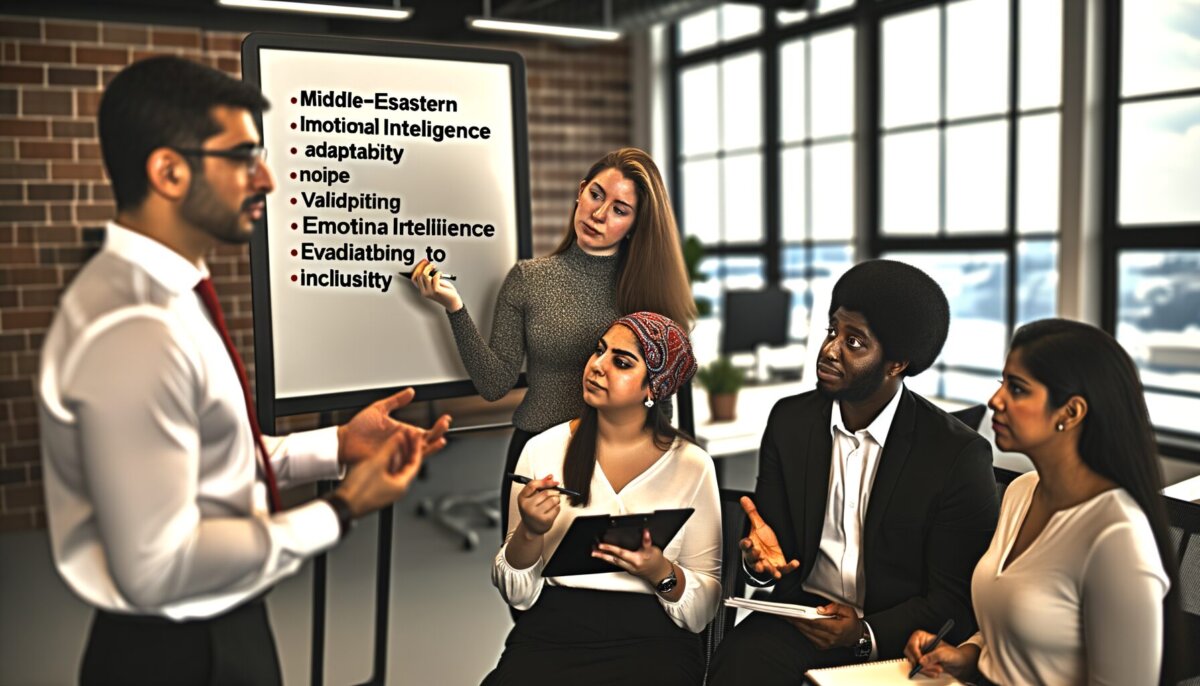
In the dynamic landscape of the modern workplace, technical knowledge and hard skills alone are no longer sufficient to guarantee professional success. As we advance towards 2025, the value placed on soft skills—those personal attributes that enable effective interpersonal interactions and adaptability—continues to grow exponentially. Soft skills, often referred to as power skills or core skills, encompass a broad spectrum of abilities such as communication, teamwork, leadership, emotional intelligence, and problem-solving. These are critically important as they complement technical capabilities and are essential for thriving in any profession.
The evolution of the workforce, driven by rapid technological innovation, globalization, and cultural diversity, demands employees not only to master their craft but also to collaborate effectively, adapt to change, and manage complex interpersonal dynamics. Employers are increasingly looking for candidates who demonstrate agility, emotional intelligence, and strong interpersonal skills, as these traits foster a productive and inclusive workplace environment and enhance organizational success. Thus, understanding these key soft skills—and how to cultivate them—has become imperative for both job seekers and professionals aiming to future-proof their careers.
This article explores the five essential soft skills that are set to dominate employer priorities in 2025. It will delve into the significance of each skill, why it matters in the evolving professional landscape, and practical ways individuals and organizations can develop and leverage these competencies. From enhancing communication techniques and emotional intelligence to fostering leadership and adaptability, these skills will not only help individuals succeed but also enable companies to innovate and maintain competitive advantage.
By examining each soft skill in depth, grounded in current research and workplace trends, readers will gain a comprehensive understanding of what it takes to stand out in the rapidly transforming job market. Whether you are a recent graduate entering the workforce or a seasoned professional aiming to sharpen your edge, this guide offers valuable insights to help you align your personal development with the demands of tomorrow’s employers.
Communication Mastery Transforming Workplace Collaboration
Communication mastery stands at the forefront of indispensable soft skills in 2025, fundamentally transforming workplace collaboration across industries. As teams grow increasingly diverse and remote work becomes pervasive, the ability to convey ideas clearly and listen actively has never been more crucial. Effective communication encompasses both verbal and written forms, enabling professionals to bridge cultural, generational, and geographical divides with precision and empathy.
Active listening is more than hearing words—it requires fully engaging with the speaker, understanding their message, and providing thoughtful feedback. This skill fosters trust and openness, essential for resolving conflicts and driving collaborative problem-solving. Equally important is empathy in communication, which allows individuals to recognize and respect different perspectives, facilitating respectful dialogue and minimizing misunderstandings.
Digital communication fluency, including mastery of virtual tools like video conferencing, chat platforms, and collaborative software, has become integral to daily operations. Proficiency in these tools enhances not only the speed but also the quality of interactions, supporting real-time teamwork and decision-making.
Mastering communication leads to stronger team cohesion, smoother conflict resolution, and heightened productivity. It creates an environment where ideas flow freely and all voices are heard, fueling innovation and adaptability. As work environments continue to evolve, embracing communication mastery is essential for professionals to thrive and contribute meaningfully to their organizations.
Emotional Intelligence Enhancing Leadership and Team Dynamics
Emotional intelligence (EI) has solidified its role as a cornerstone soft skill that employers urgently seek in 2025. At its core, EI encompasses five key components: self-awareness, self-regulation, motivation, empathy, and social skills. Self-awareness allows individuals to recognize their own emotions and how these influence their behavior. Self-regulation involves managing emotional responses calmly and constructively. Motivation drives persistence and enthusiasm toward goals. Empathy enables understanding and sharing the feelings of others, while social skills facilitate effective interaction and relationship-building.
In leadership roles, EI significantly enhances effectiveness by fostering trust, clear communication, and emotional support among team members. Leaders with high EI are better equipped to navigate workplace stress and manage diverse teams by recognizing and valuing different perspectives. This awareness frequently results in higher employee engagement and morale, as team members feel understood and motivated. Emotional intelligence also plays a vital role in conflict resolution, promoting thoughtful decision-making rather than reactionary responses.
Practical examples include a manager calming tensions during a heated debate by acknowledging emotions without dismissing concerns or a leader adapting communication styles to connect meaningfully with diverse personalities. These actions help maintain a positive workplace culture, which is essential for resilience amid the rapid changes and uncertainties of modern work environments. Developing EI is no longer optional but a strategic imperative to cultivate collaborative, adaptive, and emotionally balanced teams. For more insights on honing interpersonal skills that enhance leadership in professional settings, explore behavioral interview techniques that emphasize emotional intelligence.
Adaptability and Flexibility Navigating Rapid Change
Adaptability and flexibility are paramount in 2025’s workplace, where rapid technological advancements and shifting market demands redefine how businesses operate. Adaptability refers to an individual’s ability to adjust their approach and mindset in response to new conditions. Flexibility complements this by enabling one to pivot strategies, workflows, and priorities without resistance or delay. Together, these traits empower employees to embrace change confidently, learning new skills and navigating uncertainty with agility.
Being adaptable allows professionals to maintain relevance amid evolving job requirements, fueling continuous learning, innovation, and creative problem-solving. When confronted with unexpected obstacles or emerging opportunities, adaptable individuals approach situations with openness and resilience, effectively contributing to organizational transformation. For example, companies adopting artificial intelligence often rely on employees who can swiftly upskill and retool processes, turning technological disruption into a competitive advantage rather than a liability.
This dynamic ability enhances personal career growth by fostering versatility and a proactive mindset, qualities highly prized in leadership and critical decision-making roles. To cultivate adaptability, organizations can encourage cross-training, promote a culture of experimentation, and support ongoing professional development. Employees benefit from seeking diverse experiences, embracing feedback, and practicing mindfulness to stay present and responsive.
The interconnected nature of adaptability with continuous learning and innovation is essential to thrive in a future defined by change. Exploring frameworks like top free online courses to boost your skills can help individuals strategically expand their adaptability and stay ahead of evolving demands.
Teamwork and Collaboration Building Synergistic Success
Teamwork and collaboration remain foundational soft skills in 2025 because they underpin the capacity of organizations to harness diverse talents and perspectives toward common objectives. Effective team dynamics accelerate innovation by merging varied expertise and viewpoints, leading to more creative solutions and improved problem-solving. Productivity benefits as teams coordinate efforts, streamline workflows, and support each other to meet deadlines and exceed goals. Job satisfaction also rises when individuals feel valued and connected within a cohesive group.
However, teamwork faces distinct challenges in hybrid and global work environments. Time zone differences, cultural nuances, and virtual communication barriers can hinder rapport and trust-building. To overcome these obstacles, organizations must prioritize intentional strategies such as regular check-ins, use of collaborative technologies, and cultural sensitivity training. Embracing flexibility in communication styles and fostering psychological safety encourages open dialogue, which is critical for resolving conflicts and sparking collaboration.
Diversity and inclusion are essential to robust collaborative environments. Teams that integrate a wide range of backgrounds, experiences, and perspectives generate richer ideas and avoid groupthink. Cultivating trust involves transparency, accountability, and recognizing each member’s contributions. Establishing shared goals ensures alignment and collective ownership of outcomes, essential for sustained success.
Collaboration also dovetails with leadership development, as effective team players hone skills in empathy, negotiation, and conflict resolution—qualities that build organizational resilience. Developing these collaborative competencies equips employees and leaders alike to navigate complexity and change confidently.
Critical Thinking and Problem Solving Driving Strategic Outcomes
Critical thinking and problem-solving are indispensable soft skills in 2025, increasingly recognized for their role in navigating complex workplace challenges. Critical thinking involves the ability to objectively analyze information, evaluate evidence, and synthesize diverse perspectives to reach well-informed conclusions. This process begins with careful analysis—identifying key issues and breaking down information into manageable parts. It continues with evaluation, where biases are recognized, assumptions questioned, and the credibility of sources assessed. Finally, synthesis combines these insights to form innovative ideas or strategies.
Problem-solving complements critical thinking by enabling employees to independently detect problems, brainstorm creative solutions, and implement effective actions promptly. Together, these skills empower workers to contribute meaningfully to strategic planning and decision-making, fueling innovation and driving organizational success. As workplace environments grow more complex and dynamic, employers seek individuals who can think beyond conventional approaches and adapt solutions to emerging scenarios without constant supervision.
To sharpen these capabilities, organizations invest in targeted training such as scenario-based learning, reflective practice, and structured problem-solving frameworks. Techniques like root cause analysis and design thinking encourage a mindset of curiosity and experimentation. Developing these skills not only enhances personal effectiveness but also builds resilience within teams and organizations by enabling agile responses to shifting market demands. Cultivating critical thinking and problem-solving is thus essential for future-ready professionals, bridging the gap between insight and action to shape strategic outcomes.
Concluding Insights on Essential Soft Skills for 2025
As the professional environment continues to evolve rapidly, soft skills emerge as crucial differentiators for career success and organizational growth. Communication mastery, emotional intelligence, adaptability, teamwork, and critical thinking are five pivotal soft skills employers will prioritize in 2025. Building these attributes enables individuals to thrive amid change, collaborate effectively across diverse settings, and contribute strategically to their organizations. By investing time and effort in developing these skills, professionals can safeguard their relevance and unlock new opportunities in the future workplace.
About the author