Hybrid Work Models Navigating the New Normal
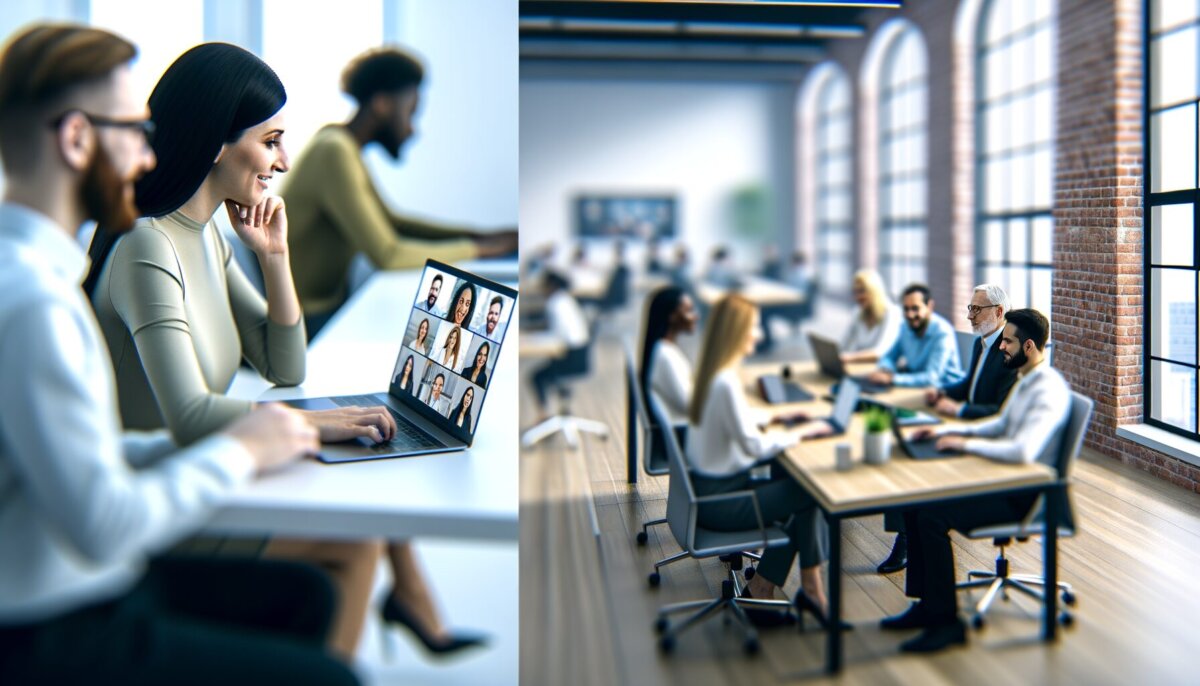
In recent years, the concept of work has undergone a profound transformation, accelerated by global events and technological advancements. Hybrid work models have emerged as a pivotal response to the shifting landscape, blending traditional office presence with remote work flexibility. This new approach represents a significant departure from the conventional 9-to-5 office routine, fostering a more dynamic, adaptable, and employee-centered work culture.
Hybrid work models offer a spectrum of configurations, allowing employees to divide their time between working remotely and onsite, balancing autonomy with collaboration. This approach is closely tied to digital transformation and has been embraced by many organizations worldwide as they adapt to post-pandemic realities and evolving workforce expectations.
The transition to hybrid work environments invokes a series of important considerations encompassing organizational culture, technology infrastructure, management strategies, employee well-being, and operational productivity. Understanding the nuances of hybrid models is critical for businesses aiming to leverage the benefits of flexibility while mitigating potential challenges such as communication gaps, isolation, and disparities in team engagement.
Throughout this article, we will delve into the origins and evolution of hybrid work models, analyze their key benefits and challenges, examine best practices for successful implementation, explore the future trends likely to shape hybrid work, and discuss critical factors that define the new normal in professional workspaces. Our comprehensive exploration seeks to equip organizations, leaders, and employees with insights needed to navigate this transformative era effectively, ensuring resilience and competitive advantage in a rapidly changing world.
The Evolution of Hybrid Work Models
The shift towards hybrid work models reflects a profound transformation in how organizations and employees perceive the traditional workplace. Historically, work was confined to physical office spaces, with fixed hours and centralized locations dominating professional culture. This rigidity persisted until technological innovations such as high-speed internet, cloud computing, and collaborative software began to challenge these norms. Remote work, once a niche practice, steadily gained traction over the years but lacked wide adoption due to concerns about productivity, communication, and company culture.
The COVID-19 pandemic served as a pivotal disruption, accelerating the adoption of remote work almost overnight. Organizations faced the urgent task of maintaining operations without physical office access, which forced a rapid reevaluation of workplace assumptions. As restrictions eased, many companies embraced a hybrid approach, blending remote and in-person work to balance flexibility with the need for collaboration. This evolution marks a key milestone, representing not just a temporary adjustment but a new paradigm in workforce management.
Alongside these technological and environmental changes, attitudes toward flexibility have notably shifted. Employees increasingly demand autonomy and work-life integration, while companies recognize the competitive advantage of accommodating diverse working styles. Case studies reveal that organizations adopting hybrid models experience higher retention rates and improved engagement. According to a 2023 Gartner report, over 70% of large enterprises now offer hybrid options, underscoring its rise as the new normal. This adaptive transition illustrates an ongoing redefinition of work, shaped by continuous innovation and evolving workforce expectations.
Benefits of Hybrid Work Models for Organizations and Employees
Hybrid work models offer significant benefits that reshape both organizational dynamics and employee experiences. One of the most notable advantages is the increase in employee productivity. Hybrid setups allow individuals to tailor their work environments to suit personal preferences and task requirements, which has been linked to improved focus and efficiency. Employees often report higher engagement levels, as the flexibility to balance remote and in-office days empowers them to manage workloads more effectively. This autonomy is a critical driver of job satisfaction and contributes to a stronger emotional commitment to the organization.
Work-life balance is another key benefit. Hybrid models provide the opportunity to reduce commuting stress and better integrate personal responsibilities, leading to improved mental health and overall well-being. Organizations that adopt hybrid work also see tangible advantages such as lowered operational costs due to reduced demand for physical office space and resources. Furthermore, hybrid arrangements enable companies to tap into a more diverse and geographically dispersed talent pool, increasing access to specialized skills and broadening inclusivity.
Beyond tangible factors, hybrid work fosters a culture of innovation by encouraging flexibility and creative problem solving. When employees feel trusted and supported, they are more willing to experiment and collaborate in new ways. Research shows that companies embracing hybrid work report enhanced resilience to external disruptions, maintaining performance during crises. Hybrid models thus strike a balance, boosting organizational agility while nurturing employee autonomy and well-being, which ultimately drives sustainable success.
Challenges and Solutions in Implementing Hybrid Work
Organizations transitioning to hybrid work models face significant challenges that must be addressed to ensure success. Communication barriers often arise due to varying work locations and schedules, causing misunderstandings or delays. Maintaining team cohesion becomes difficult when employees alternate between remote and in-office settings, potentially undermining trust and collaboration. Managing diverse work schedules complicates coordination and meeting planning, risking reduced productivity and employee frustration. Additionally, the reliance on technology intensifies, exposing organizations to risks like system outages or cybersecurity threats, while also requiring substantial investments in digital infrastructure and training.
Employee isolation is another pressing concern. Remote team members may feel detached, leading to decreased motivation and engagement. Equally critical is ensuring equity between remote and in-office staff to avoid perceptions of favoritism or disparity in opportunities, which can erode morale. These dynamics can negatively impact company culture if not managed proactively, potentially diluting the shared values and identity that underpin organizational success.
To overcome these issues, organizations should adopt collaborative digital tools that support seamless interaction and information sharing. Developing clear communication protocols, such as standardized check-ins and meeting guidelines, helps create consistency and transparency. Flexible policies aimed at inclusivity—like accommodating different time zones or schedules fairly—are essential to balance diverse needs. Leadership strategies play a crucial role; leaders must foster trust by encouraging accountability, offering regular feedback, and promoting visibility for all team members regardless of location. Empowering managers with training on hybrid leadership can significantly improve team dynamics and individual well-being.
Best Practices for a Successful Hybrid Workplace
Designing and sustaining a successful hybrid workplace requires intentional strategies that balance flexibility with clear structure. Workspace design should prioritize collaboration zones for in-person interactions alongside quiet areas for focused work, ensuring both remote and on-site employees feel equally supported.
Technology plays a pivotal role; investing in unified communication platforms, seamless video conferencing tools, and reliable cloud-based systems enables real-time collaboration and minimizes disruptions. Equally important is employee training—not only in technology use but also in hybrid work etiquette, ensuring everyone understands expectations around availability, response times, and inclusiveness.
Performance measurement must shift from hours logged to output quality and goal achievement. Leveraging data-driven KPIs aligned with individual and team objectives fosters accountability without micromanagement. Regular, constructive feedback loops empower continuous development and adaptability.
Fostering a culture of flexibility and inclusivity means embedding diversity into all policies, recognizing varied employee needs, and promoting psychological safety. Leadership must exemplify trust and transparency, actively listening to employee concerns, and adjusting policies responsively. One effective initiative is implementing “hybrid champions” who advocate for hybrid best practices and gather ongoing employee insights.
Striking a balance between structure and flexibility involves clear communication of core operating hours alongside autonomy in work scheduling. For example, some organizations adopt “core collaboration windows,” giving teams time for synchronous interaction while preserving flexible solo work periods. Integrating these elements ensures hybrid models leverage productivity, employee satisfaction, and organizational resilience harmoniously.
The Future of Work and Emerging Trends in Hybrid Models
The landscape of hybrid work continues to evolve rapidly, driven by technological advances and shifting workplace philosophies. Artificial intelligence (AI) and virtual reality (VR) are increasingly integrated into work environments, enhancing collaboration and productivity regardless of physical location. AI-powered tools optimize workflows, automate routine tasks, and assist decision-making, while VR offers immersive meeting spaces that replicate the dynamics of in-person interactions. These innovations elevate hybrid work beyond mere flexibility, creating richer, more connected experiences for distributed teams.
Employee expectations are also transforming. There is growing demand not only for work-life balance but for workplace experiences that prioritize mental health, well-being, and sustainability. Organizations are responding by embedding sustainable practices into their policies and designing workspaces that promote health, comfort, and inclusivity. These priorities reflect a broader commitment to social responsibility and employee engagement as integral to hybrid success.
Workplace design is shifting to support a more fluid use of space, combining remote settings with smart office environments equipped with adaptive technologies. Regulatory frameworks are beginning to address cross-border remote work complexities, ensuring compliance with labor laws, taxation, and data security. Meanwhile, global workforce dynamics emphasize agility and cultural sensitivity, as hybrid models facilitate increasingly diverse and geographically dispersed teams.
Anticipated challenges require organizations to stay adaptable, fostering continuous learning to keep pace with technological and social change. The future of hybrid work lies in this capacity to evolve—not only in technologies employed but in mindsets that embrace flexibility, inclusivity, and proactive growth. This ongoing transformation is essential for thriving in the new norms of work.
Conclusion
Hybrid work models represent a fundamental shift in how organizations and employees conceive of and engage with work. By blending the best aspects of remote and in-office environments, hybrid work fosters flexibility, enhances work-life balance, and can improve productivity and talent retention. However, realizing its full potential requires thoughtful planning, strong communication, and supportive technology infrastructure to overcome inherent challenges. As organizations continue to evolve with hybrid models, embracing adaptive strategies and focusing on employee well-being will be key to thriving in the new normal of work.
About the author