Thank You Email vs. Handwritten Note After an Interview
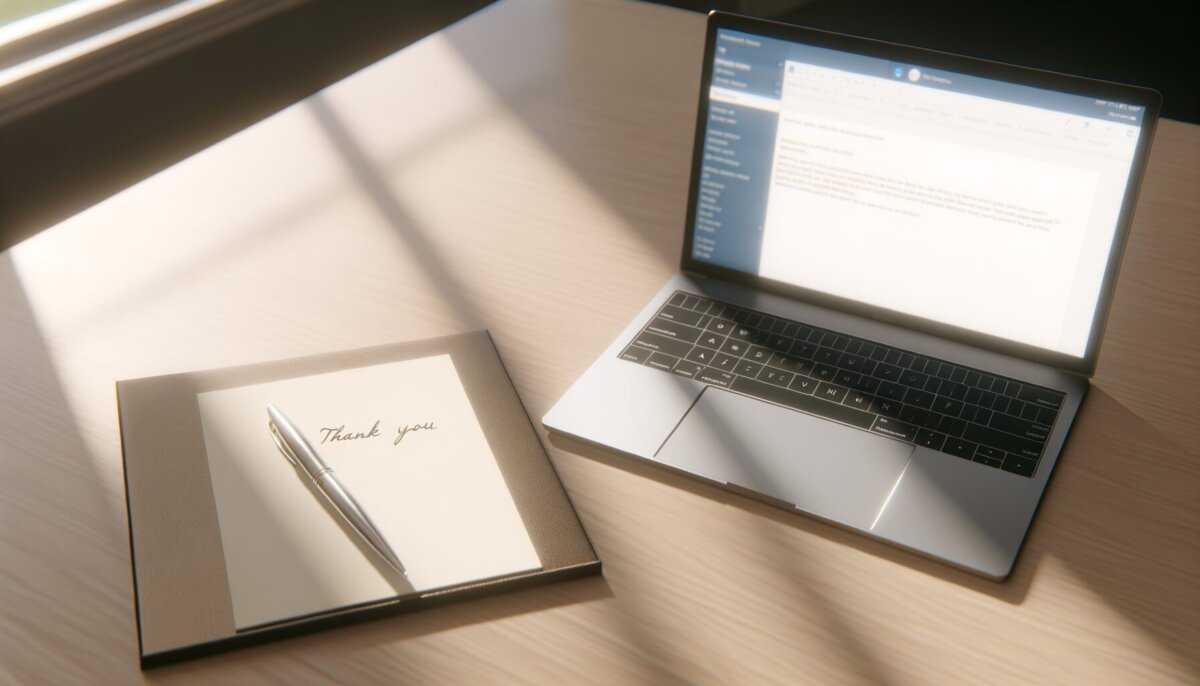
Sending a thank you message after a job interview is an essential etiquette practice that can significantly influence an employer’s perception of a candidate. It not only demonstrates appreciation but also reinforces your interest in the position and helps to keep you fresh in the interviewer’s mind. Traditionally, candidates have opted for handwritten thank you notes as a personal touch, reflecting effort and sincerity. With the rise of digital communication, thank you emails have become increasingly popular due to their immediacy and convenience.
Both mediums—thank you emails and handwritten notes—serve the essential purpose of expressing gratitude, but they do so in different ways and contexts. The choice between them can depend on several factors including the industry, company culture, timing, and personal style of the candidate. To make an informed decision, one must understand the history and significance of thank you notes, the benefits and limitations of each method, and how they are perceived by interviewers in today’s fast-paced job market. Additionally, knowing the best practices for crafting and sending these messages enhances their effectiveness, ensuring that candidates maximize their chances of moving forward in the hiring process.
This article delves deeply into the nuances of thank you emails versus handwritten notes, exploring their origins, cultural importance, practical advantages, and strategic application after an interview. We will discuss the etiquette associated with each method, how to decide which is appropriate for different scenarios, and provide tips for writing impactful thank you messages. By the end of this comprehensive guide, readers will be equipped with a thorough understanding that enables them to choose and execute the best thank you strategy following their interviews, optimizing their professional impression and increasing their career opportunities.
Understanding the Tradition and Importance of Thank You Messages
Thank you messages have long been an integral part of social and professional interactions, rooted deeply in traditions of politeness and respect. The practice of sending handwritten notes dates back centuries, when letters were the primary way to communicate appreciation. In eras where literacy was a privilege, taking the time to compose a letter by hand was seen as a meaningful gesture, symbolizing sincerity and personal effort. This formality established a foundation for professional etiquette, bridging relationships through genuine acknowledgment.
Over time, this tradition evolved but maintained its core purpose: expressing gratitude solidifies connections and leaves a lasting positive impression. In the context of an interview, sending a thank you note goes beyond mere politeness; it demonstrates professionalism and attentiveness. Employers often view this act as a reflection of the candidate’s character and interpersonal skills, subtly influencing hiring decisions.
Psychologically, expressing gratitude promotes positive emotions for both sender and receiver. For candidates, it reinforces confidence and leaves an affirmative mark on an employer’s mind. Emotionally, it fosters warmth and respect, which are crucial in establishing rapport during the hiring process. Moreover, thank you notes align with broader principles of professional etiquette, emphasizing respect for others’ time and effort. This blend of social tradition and emotional impact underscores why choosing to send a thank you message—whether handwritten or emailed—remains a strategic step in any interview process.
Advantages and Disadvantages of Thank You Emails
Thank you emails have become the dominant choice for post-interview communication in today’s fast-paced job market. Their popularity stems largely from the immediacy they offer. Sending a thank you email allows candidates to express appreciation within hours of the interview, demonstrating promptness and enthusiasm. This rapid turnaround can be crucial, especially when employers are making quick decisions or conducting multiple interviews in a short time span.
Another key advantage is convenience. Writing and sending an email requires minimal effort and can be done from virtually anywhere—whether on a computer, tablet, or smartphone. This flexibility makes it easier for candidates to tailor notes to each interviewer promptly while still fresh in their minds, increasing the message’s relevance and impact.
However, despite these strengths, thank you emails face some criticisms. One common perception is that they lack a personal touch compared to handwritten notes, which can feel more sincere and thoughtful. Emails risk blending into crowded inboxes, potentially being overlooked among many messages from other applicants or daily work communications. There is also a chance that a hurried or generic email might convey a lack of genuine care.
Thank you emails are exceptionally suitable for positions requiring swift communication, such as roles in technology startups or industries where remote or virtual interviews are prevalent. They work well when multiple interviewers are involved, allowing easy customization and distribution to each contact. For tips on crafting effective interview follow-ups, see how to write a follow-up email after an interview.
Advantages and Disadvantages of Handwritten Thank You Notes
Handwritten thank you notes stand out for their deeply personal and thoughtful nature, offering a tangible expression of appreciation that can leave a lasting emotional impact on the recipient. The physical act of writing a note by hand conveys a genuine effort, suggesting to the interviewer that the candidate invested extra time and care beyond a simple, digital email. This sense of authenticity often resonates strongly, creating a memorable impression and demonstrating traditional professionalism that some employers greatly value.
Moreover, handwritten notes carry a unique aesthetic charm—each stroke and penmanship style reflects the sender’s individuality, adding an intimate touch that emails typically lack. This can strengthen personal connections and subtly reinforce positive impressions made during the interview.
However, there are notable limitations to this method. The slower delivery of postal mail or hand-delivered notes means the message may arrive after key decisions are made, reducing its timely influence. Legibility can also pose challenges; if handwriting is unclear, the note may appear careless rather than thoughtful. In fast-paced or highly digital industries, a handwritten note might even seem outdated or inconvenient, potentially diminishing its impact.
Handwritten notes are best suited to industries and roles that value tradition, formality, or a personal touch—such as legal professions, academia, or high-level executive positions. When applying to companies known for a classic or boutique culture, or when wanting to underscore gratitude with a sincere, crafted message, choosing a handwritten note can be the preferred method for post-interview thanks.
Choosing the Best Method Based on Industry and Company Culture
Choosing between a thank you email and a handwritten note after an interview hinges largely on the industry, company culture, and the role you’re seeking. In industries like finance, law, or government, where tradition and professionalism are paramount, a handwritten note may signal respect for established norms and reflect positively on your attention to detail. For roles that value formality and discretion, this personal touch can help you stand out subtly and memorably.
Conversely, fast-paced tech companies, startups, or creative fields often prioritize agility and innovation over formality. In these environments, a prompt thank you email is generally sufficient and even preferred, as it aligns with the quick decision-making processes and digital communication styles found in their daily operations. For positions demanding technical skills or remote work, digital correspondence is usually the norm—if a handwritten note arrives days later, it might seem out of place or even delayed.
To tailor your approach effectively, research the company’s communication style. Explore their website, social media presence, and recent news to gauge tone and formality. Reading recent employee reviews or checking industry-specific forums can also reveal insights into workplace culture. If you’re unsure, don’t hesitate to ask your recruiter or potential coworkers discreetly about the typical communication etiquette.
Ultimately, your message should reflect the culture you want to join: formal and traditional when the situation calls for it, or quick and digital when speed and efficiency reign. Adapting your thank you note to the company’s personality demonstrates not just gratitude, but cultural awareness—a key trait for any candidate.
Crafting Effective Thank You Messages to Maximize Impact
Crafting an effective thank you message, whether via email or handwritten note, is essential to leave a lasting positive impression after an interview. Begin by focusing on tone—maintain professionalism but also warmth to show genuine appreciation. Your message should be concise yet meaningful, avoiding overly formal or casual language.
Structure your content thoughtfully: start by expressing gratitude for the opportunity, followed by a specific reference to a memorable part of the interview or an insight that excited you. This personalization demonstrates attentiveness and enthusiasm. Next, briefly reinforce a key qualification or strength relevant to the role without simply restating your entire résumé. Finally, close with a polite sign-off that invites continued communication.
Timing matters greatly. For emails, aim to send your message within 24 hours to capitalize on the interview’s immediacy, while handwritten notes may take longer to reach but can offer a unique personal touch in more traditional settings. If sending a handwritten note, consider also sending a quick email acknowledgment to ensure your gratitude is received promptly.
Proofreading is non-negotiable—eliminate typos or awkward phrasing as these detract from your professionalism. Reading your message aloud or having a trusted person review it can catch errors you might miss.
Use adaptable phrases such as “I appreciated learning about [specific project or value],” or “Our discussion about [topic] reinforced my enthusiasm for the position.” For handwritten notes, keep sentences short and sincere to fit the limited space.
For additional guidance on post-interview correspondence techniques, check out this resource on how to write a follow-up email after an interview.
Final Thoughts on Thank You Emails vs. Handwritten Notes
In conclusion, both thank you emails and handwritten notes hold valuable places in post-interview etiquette. Emails offer immediacy and convenience that are crucial in today’s fast-paced professional world, while handwritten notes convey a unique personal touch and thoughtful effort. Selecting the best method depends on the specific context, industry standards, and individual preferences. By understanding the strengths and appropriate application of each, candidates can effectively express their gratitude, reinforce their candidacy, and leave a lasting positive impression on potential employers.
About the author