Preparing for a Lunch or Dinner Interview Etiquette and Tips
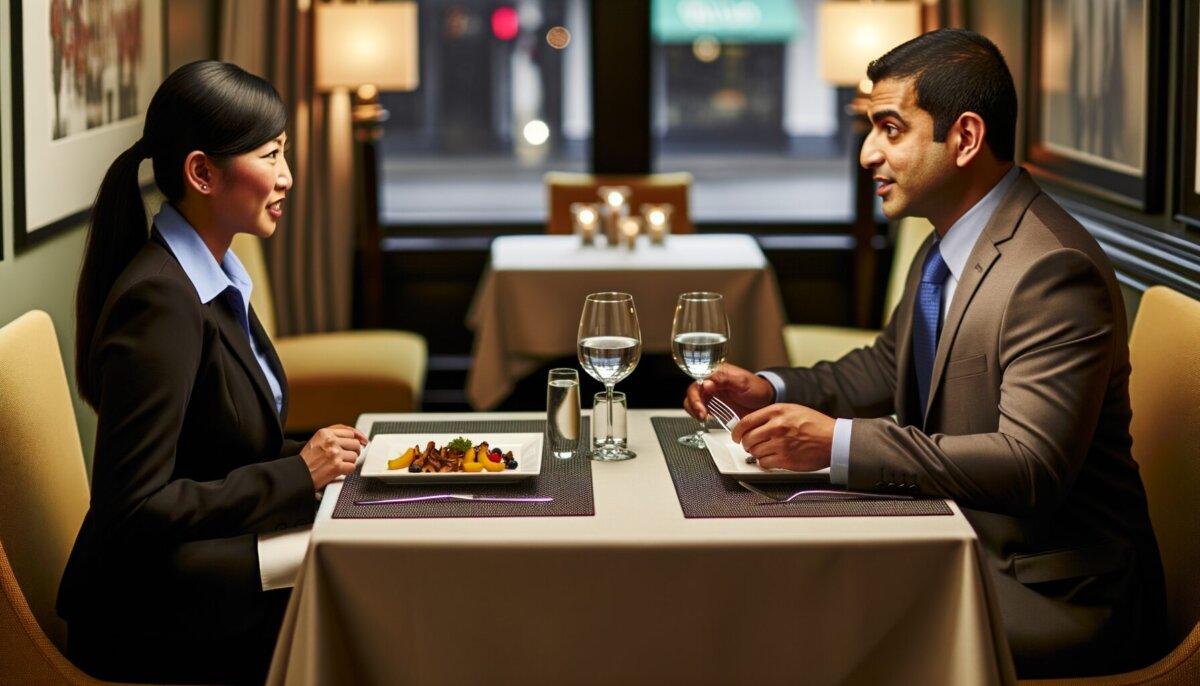
Lunch and dinner interviews present a unique blend of professional assessment and social interaction, demanding a nuanced approach that goes beyond traditional interview etiquette. These settings often serve as a strategic opportunity for both the interviewer and interviewee to evaluate compatibility in a relaxed yet formal environment. Understanding the subtleties involved in such dining interviews can significantly enhance your chances of making a positive impression and securing the desired position. This article delves into critical etiquette and practical tips that will prepare you to confidently navigate the complexities of lunch or dinner interviews. From mastering table manners to engaging in appropriate conversation, and managing the dining experience gracefully, each aspect plays a vital role in reflecting your professionalism and interpersonal skills. As these interviews differ from conventional ones by incorporating a social dining experience, candidates must be adept at balancing professionalism with politeness and personal charm. This comprehensive guide will equip you with the knowledge to confidently handle every phase of the meal, from initial greetings to the final farewell, ensuring that you project the best version of yourself. Whether you are a seasoned professional or a newcomer to the interview process, these insights will prove invaluable for your preparation. By understanding the expectations and protocols associated with lunch and dinner interviews, you can mitigate potential faux pas and demonstrate your suitability beyond your resume and verbal responses. Let’s explore the essential elements one must master to excel in lunch and dinner interviews, facilitating an engaging, respectful, and successful dining interaction.
Understanding the Significance of Lunch and Dinner Interviews
Lunch and dinner interviews hold a distinct place in the recruitment process, blending formal assessment with a more relaxed, social environment. Unlike traditional interviews held in an office, these dining meetings offer employers a chance to observe candidates’ behavior in a setting that mimics everyday interpersonal interactions. This is crucial because it reveals qualities that might not surface in a conventional questioning format—such as manners, conversational skills, and the ability to navigate social cues.
Employers use lunch or dinner interviews to evaluate how well a candidate might integrate into the company culture and interact with colleagues or clients. They often pay close attention to how you handle casual conversation, your etiquette at the table, and whether you maintain professionalism while still being personable. This social component is a subtle but significant part of the evaluation, especially for roles requiring teamwork, client interaction, or leadership.
Understanding the format is essential to preparation. These interviews usually last longer and may involve multiple people, so being mentally ready to sustain engagement throughout the meal is important. Knowing the typical flow—from greeting and ordering to dining and closing conversation—can help you feel confident and composed. Researching the restaurant’s style and menu can prevent awkward moments when ordering, allowing you to focus on meaningful dialogue instead.
Mastering this balance between professionalism and social grace during a lunch or dinner interview sets the stage for a positive impression that goes beyond answers to standard interview questions.
Dress Code and Personal Presentation
Dressing appropriately for a lunch or dinner interview goes beyond just looking neat; it’s about aligning your appearance with the company’s culture and the venue’s ambiance. Before selecting your outfit, research the company’s dress code—whether it’s business formal, business casual, or a more relaxed style. For a formal dining setting at a high-end restaurant, a tailored suit or a conservative dress can express professionalism and respect for the occasion. In a casual or creative workplace, polished business casual attire such as dress slacks paired with a crisp shirt or a stylish blouse offers the right balance of professionalism and approachability.
Grooming is equally crucial. Ensure your hair is clean and styled in a way that looks deliberate but not overdone. Facial hair should be neatly trimmed. Avoid overpowering scents, as some people may be sensitive, and natural presentation is preferred. Nails should be clean, and minimal, conservative makeup helps enhance your facial expressiveness without distracting from your conversation.
Your posture and body language silently convey confidence and attentiveness. Sit up straight with shoulders relaxed but poised, showing engagement without stiffness. Maintain comfortable eye contact to express interest and build connection, while also smiling warmly to reflect positivity. Avoid fidgeting or slouching, as these can suggest nervousness or disinterest. Practicing good nonverbal cues strengthens your overall impression, complementing the verbal dialogue and signaling professionalism. For more insights on appropriate interview attire, review the article on what to wear for a job interview to ensure your outfit perfectly fits the occasion.
Mastering Dining Etiquette and Table Manners
Mastering dining etiquette during a lunch or dinner interview is crucial to making a polished and professional impression. First, be mindful of seating etiquette. Wait for the host or interviewer to indicate where you should sit before taking your seat. Sitting upright with good posture not only projects confidence but also shows respect for the occasion.
Handling utensils correctly demonstrates both refinement and awareness of social norms. Begin with the utensils farthest from your plate and work inward with each course. Hold your fork in your left hand and knife in your right when cutting food, returning the knife to the plate when not in use. Avoid gesturing with utensils or resting elbows on the table, as these are common dining faux pas.
When ordering food, choose something moderate in portion and easy to eat. Avoid messy or overly complicated dishes that might distract or make you uncomfortable. If unsure, follow the interviewer’s lead or select a safe, classic option from the menu. Politely decline alcoholic beverages unless the interviewer orders first.
Managing courses gracefully means pacing yourself with the flow of the meal and clearing your plate methodically without rushing. Engage in light conversation during eating pauses while maintaining good manners, such as chewing with your mouth closed and refraining from interrupting.
Your table manners are a direct reflection of your professionalism and attention to detail. Avoid talking with food in your mouth, reaching across the table, or using your phone. Such behaviors can subtly communicate disrespect or distraction.
Invest time in refining these skills to present yourself as courteous and composed. This guide to dining etiquette complements professional presence and supports your overall interview success.
Navigating Conversation and Communication
Engaging in confident and appropriate conversation during a lunch or dinner interview is as crucial as demonstrating impeccable dining etiquette. To navigate discussions successfully, begin with active listening: focus fully on what your interviewer says, nodding subtly and maintaining eye contact to show genuine interest. Avoid interrupting, and when appropriate, paraphrase or ask clarifying questions to confirm your understanding. This not only creates rapport but also signals your communication skills.
Balancing talking and responding is key. Share your experiences and insights clearly and succinctly without dominating the conversation. Allow the interviewer to guide the pace and topics by responding thoughtfully to their prompts. If you find the discussion drifting into overly personal territory, steer gently back to professional subjects by linking your response to career-related themes or industry trends.
Handling sensitive or personal questions gracefully involves setting polite boundaries. For example, if asked about personal life topics, respond briefly and pivot with a considerate phrase such as, “I prefer to focus on my professional experience, which I’m very passionate about.” This maintains professionalism while demonstrating tact.
Nonverbal communication plays a pivotal role throughout the meal. Maintain an open posture rather than crossing your arms, use appropriate facial expressions to mirror engagement, and keep gestures calm and natural. These subtle signals build trust and reinforce your verbal messages, helping you create a positive and memorable impression.
Managing the Conclusion and Follow-Up
Mastering the conclusion of a lunch or dinner interview is essential to leave a positive final impression. As the meal concludes, begin by sincerely expressing your gratitude. A simple, heartfelt thank you to your interviewer for their time and the opportunity to meet over a meal can set the tone for a respectful and polished departure. Avoid rushing the ending; instead, signal politely that the interview is drawing to a close by summarizing a few key points or reiterating your interest in the role.
When it comes to the bill, the etiquette generally favors the interviewer to handle the payment, but be prepared to offer courteously and promptly if the situation arises where you might need to contribute. Politely saying, “Allow me to take care of this,” or “Thank you, I appreciate it,” can demonstrate both respect and awareness of social norms. Avoid awkward moments by not insisting if your offer is declined.
As you prepare to leave, use polite goodbyes like “It was a pleasure meeting you,” or “Thank you again for your time.” Stand up confidently, gather your belongings quietly, and maintain eye contact with a warm smile. This nonverbal communication underscores your professionalism until the very last moment.
Following up timely is critical. Sending a well-crafted thank-you note within 24 hours shows appreciation and reinforces your enthusiasm. Reflect on the experience—consider what went well and areas to improve—so each future dining interview becomes a stronger opportunity. For guidance on writing follow-up messages, explore tips on how to write a follow-up email after an interview.
Concluding Thoughts
In summary, preparing for a lunch or dinner interview requires attention to detail, from etiquette to conversation skills. By understanding and practicing proper dining manners, engaging in thoughtful dialogue, and managing the dining experience with confidence, you convey professionalism and respect. Such preparation not only showcases your suitability for the role but also builds a positive rapport with your potential employer. Remember that these interviews are as much about assessing fit as they are about evaluating your skills, so presenting yourself well in this social setting can be a decisive advantage.
About the author