Remote Work Productivity Tips Staying Focused and Effective at Home
Remote work, also known as telecommuting, has become an increasingly prevalent mode of employment in recent years, accelerated notably by global events like the COVID-19 pandemic. It offers employees a variety of advantages including autonomy, flexibility, the comfort of working from one’s own space, and the reduction of commuting time and environmental impact. However, it also presents unique challenges related to maintaining focus, managing time effectively, and avoiding feelings of isolation or distraction. Successfully adapting to remote work involves rethinking traditional work habits and environments to foster productivity and well-being outside the conventional office setting.
This article delves deeply into remote work productivity strategies, exploring how individuals can stay concentrated and efficient while working from home. From the importance of creating a dedicated workspace and establishing routines to leveraging technology and balancing work-life boundaries, the insights provided aim to equip remote workers with actionable techniques to optimize their performance. Additionally, we examine how to maintain motivation, combat distractions, and sustain meaningful interactions despite the physical separation from colleagues.
Throughout, these productivity tips are grounded in an understanding of the remote work evolution and its broader implications on how modern workforces operate. By addressing the psychological and practical dimensions of telecommuting, the article aims to support remote workers in transforming their home environments into productive settings that align with their professional goals and personal well-being.
Creating an Effective Workspace at Home
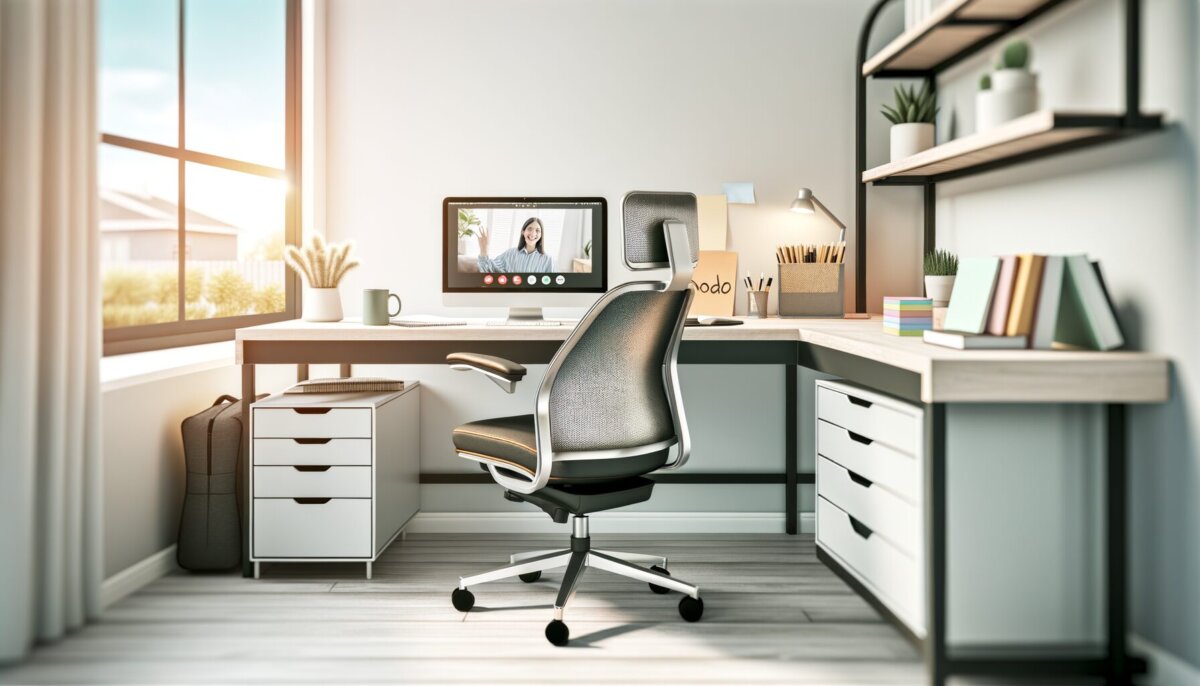
Creating an Effective Workspace at Home is essential for maintaining concentration and productivity in a remote work setting. A dedicated workspace signals to your brain that it’s time to focus, separating work from leisure. Without this physical boundary, distractions are more likely to seep in, creating challenges for sustained attention and effective work.
Choosing the right spot means finding a quiet, low-traffic area with enough room for essential equipment and comfortable movement. Ideally, this space should be free from household interruptions yet inviting enough to foster creativity and productivity. Natural light plays a crucial role in enhancing mood and alertness, so situating your desk near a window when possible is highly beneficial.
Ergonomic furniture arrangements cannot be overstated. A supportive chair and properly positioned desk reduce physical strain, preventing fatigue and promoting longer periods of work without discomfort. Pay attention to screen height and distance to avoid neck and eye strain.
Minimizing distractions is critical. This might include noise-canceling headphones, closing unnecessary tabs and apps, and setting clear boundaries with family or roommates during work hours. Organizational tools such as filing systems, desk organizers, and digital productivity apps help maintain a clutter-free environment, directly impacting mental clarity.
Adding personal touches like artwork, plants, or items that inspire you can boost motivation without overwhelming the space. They personalize your environment, making it more enjoyable and conducive to productivity.
Lighting, noise control, ergonomic design, and organization together create a functional remote workspace that supports focus and sustained performance.
Establishing Routines and Time Management Strategies
Establishing consistent daily routines is crucial for maintaining productivity while working remotely. Setting fixed start and end times anchors your day, providing a sense of structure similar to an office environment. This predictability not only helps you mentally prepare for work but also signals to others in your household when you are available or off the clock, creating healthy boundaries essential to prevent work from overtaking personal time.
Incorporating scheduled breaks is equally important. Taking short, regular pauses rejuvenates your focus and prevents cognitive fatigue. Techniques such as the Pomodoro Technique, which involves working in focused 25-minute intervals followed by 5-minute breaks, provide a practical framework to sustain high energy levels throughout the day. Alternatively, time-blocking lets you allocate dedicated slots for specific tasks or meetings, ensuring that urgent priorities receive attention without feeling overwhelmed.
Prioritizing tasks upfront enhances clarity and efficiency. Consider categorizing assignments by importance and deadlines, tackling high-impact items first, and breaking larger projects into manageable steps. This method reduces procrastination and increases the likelihood of meeting goals consistently.
To avoid burnout, it’s vital to recognize when to disconnect. Ending your workday at a set time encourages you to recharge and maintains long-term productivity. Setting physical or digital boundaries, such as turning off work notifications or closing your workspace, reinforces this separation. Cultivating these routines creates a sustainable remote work rhythm that supports both your professional responsibilities and personal well-being.
Leveraging Technology to Enhance Remote Work Productivity
Leveraging technology effectively is crucial for enhancing productivity while working remotely. Digital tools and platforms can streamline communication, simplify collaboration, and keep projects on track, provided they are chosen and integrated thoughtfully into daily workflows.
Collaboration software like Microsoft Teams, Slack, or Google Workspace fosters real-time interaction, allowing teams to share files, co-edit documents, and maintain ongoing discussions without the delays of email chains. These tools break down geographical barriers and enable fluid teamwork. When selecting such platforms, consider your team size, ease of use, and integration capabilities with other applications.
Project management applications such as Trello, Asana, or Monday.com help organize tasks, assign responsibilities, and visualize progress. Using these tools to create clear timelines and priorities ensures everyone stays aligned and accountable. Integrating these platforms with calendar apps can help structure your day efficiently.
Effective communication is key, especially with video conferencing tools like Zoom or Google Meet. Best practices for virtual meetings include setting clear agendas, limiting meeting length, encouraging participation, and muting when not speaking to minimize distractions.
Time-tracking software like Toggl or RescueTime offers insights into how work hours are spent, helping identify productivity patterns or areas needing adjustment. However, it’s important to balance monitoring with trust to avoid micromanagement.
Avoid digital distractions by customizing notifications, using focus modes, and setting boundaries around tool usage. Remember, technology should serve as an enabler—not a source of constant interruption—to maintain both focus and collaboration quality.
Strategies for Minimizing Distractions and Maintaining Focus
Remote work often presents a unique set of distractions that can interrupt workflow and diminish productivity. Common disturbances include household noise, interruptions from family or roommates, the lure of social media, and the temptation to multitask on non-work activities. These distractions fragment attention and increase cognitive load, making it harder to sustain deep focus and complete tasks efficiently.
To minimize interruptions from household members, it is crucial to establish clear communication about your working hours and create physical boundaries when possible. Using signals like closed doors or “do not disturb” signs can reinforce these boundaries. Turning off non-essential notifications and designating specific times to check social media can reduce digital distractions. Avoid multitasking by focusing on one task at a time and using time-blocking techniques to allocate dedicated work periods.
Mindfulness practices such as brief meditation or focused breathing exercises can improve concentration and emotional regulation, enabling you to reset quickly when distracted. Setting clear, achievable daily goals helps maintain direction and motivation, making it easier to ignore irrelevant stimuli. Additionally, feelings of isolation can erode engagement; regular virtual check-ins with colleagues or scheduled social breaks ensure connection and support a collaborative mindset.
By identifying distractions and proactively managing them through communication, mindfulness, and structured goal-setting, remote workers can build an environment that fosters sustained focus and productivity.
Balancing Work and Personal Life in a Remote Environment
Balancing work and personal life becomes a critical yet challenging task for remote workers due to the natural blurring of boundaries in a home environment. When your living space doubles as your office, distinguishing between work time and personal time can quickly dissolve, leading to extended work hours and potential burnout. To maintain a healthy balance, it’s essential to establish clear physical and mental separations between professional and personal activities.
One effective method is to designate a specific area in your home solely for work. This physical boundary acts as a visual cue, signaling when you are “on” and when you are “off” work. Additionally, creating daily rituals to signal the start and end of your workday can help your mind transition smoothly between roles. For example, changing into work clothes or moving your laptop to a dedicated desk each morning can prepare you mentally for productivity. At day’s end, shutting down devices, tidying your workspace, or going for a short walk can serve as definitive actions to close the work chapter intentionally.
Prioritizing self-care is equally vital. Regular physical activity, whether it’s a quick stretch or a full workout, supports energy levels and reduces stress. Maintaining social connections mitigates feelings of isolation and fosters emotional well-being. Incorporating mental wellness practices—such as mindfulness, meditation, or deep-breathing exercises—helps manage anxiety and improves focus. By integrating these habits, remote workers not only sustain productivity but also preserve their overall health and work satisfaction.
Conclusions on Remote Work Productivity
Mastering productivity in a remote work setting requires intentional efforts to create a supportive workspace, establish disciplined routines, and adopt suitable technologies. Minimizing distractions and balancing professional and personal boundaries are integral to sustaining focus and well-being. By implementing these strategies, remote workers can not only maintain but enhance their effectiveness and satisfaction, turning the home into a thriving environment for professional achievements and personal growth.
About the author