The Impact of AI on the Future Job Market Skills You’ll Need
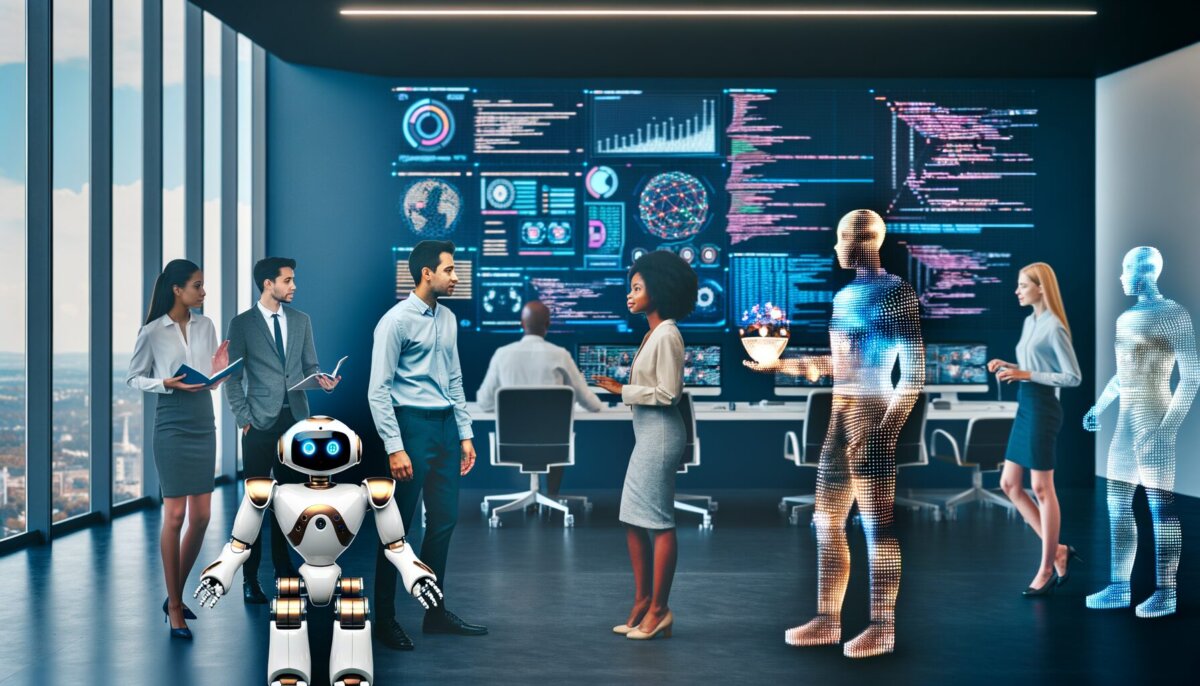
Artificial Intelligence (AI) is no longer a futuristic concept but a present-day reality that is reshaping the global job market. As AI technologies improve and integrate into various industries, they are transforming how work is performed and which skills are most valuable. This shift presents both challenges and opportunities for the workforce. Understanding the impact of AI on employment trends and the essential skills for the future job market is crucial for workers, educators, and policymakers alike.
The evolution of AI—from automating routine tasks to enhancing complex decision-making processes—has prompted significant changes in job roles and demands. Certain jobs are becoming obsolete, while new roles focused on managing, developing, and complementing AI systems are emerging. This dynamic environment requires continuous adaptation and a proactive approach to skills development.
This article explores the multifaceted impact of AI on the future job market, highlighting key trends and technologies driving change. It delves into the types of skills that will be indispensable, including technical expertise, critical thinking, creativity, and emotional intelligence. By examining these areas, readers can gain a comprehensive view of what it takes to thrive in an AI-driven workplace.
Through a detailed analysis, this discussion covers the transformation of job roles, the importance of lifelong learning, and strategies for workforce resilience. It also considers the societal implications of AI integration, such as economic shifts and ethical considerations related to employment. The goal is to provide a thorough understanding that equips individuals and organizations to navigate the future confidently.
In summary, the rise of AI is fundamentally changing the nature of work. Adapting to these changes requires awareness of emerging trends, acquisition of relevant skills, and readiness for continuous learning. This article serves as a guide to understanding these critical aspects and preparing effectively for the evolving job market shaped by artificial intelligence.
AI Transformation of Job Roles
AI is fundamentally reshaping job roles across numerous industries by automating routine, repetitive tasks and introducing new demands for specialized skills. In manufacturing, for example, robots and AI-driven systems now handle assembly line functions that once required manual labor, improving efficiency but reducing some traditional roles. Similarly, in service industries like retail and customer support, AI-powered chatbots and virtual assistants streamline interactions, shifting human roles toward problem-solving and relationship building rather than transactional tasks.
Creative fields are also experiencing transformation. While AI algorithms can generate content, music, and designs, the role of humans evolves to overseeing, guiding, and refining these outputs to ensure originality and emotional impact. This underscores a pattern where AI complements human creativity rather than replaces it.
New professions have emerged as AI technologies advance, including AI system maintenance specialists who ensure algorithms and hardware operate optimally. AI ethics officers address moral and legal considerations surrounding AI deployment, safeguarding fairness and transparency. Data analysts interpret vast datasets generated by AI to inform strategic decisions across sectors.
The balance between displacement and creation hinges on how businesses and workers adapt. Many jobs are redefined rather than eliminated, with AI taking over mundane aspects and humans focusing on complex or interpersonal facets. This AI-human collaboration boosts productivity by leveraging complementary strengths—machine speed and precision paired with human judgment and empathy.
Adapting to these shifts means embracing new ways of working together with AI, fostering skills that enable synergy rather than competition between humans and machines.
Essential Technical Skills for the AI Era
The rise of artificial intelligence demands a new set of technical skills to thrive in the evolving job market. Proficiency in AI and machine learning literacy is paramount, equipping individuals to understand algorithms, model training, and the capabilities and limitations of AI. This foundational knowledge enables workers to collaborate effectively with AI systems rather than compete against them. Similarly, data science skills have become indispensable. The ability to collect, analyze, and interpret vast datasets is critical as data drives AI insights and business decisions.
Programming remains a core competency, with languages like Python, R, and Java dominating AI-related development and integration. Beyond coding, understanding software engineering principles helps professionals design and maintain scalable AI solutions. Cybersecurity is equally vital. As AI systems process sensitive data and automate critical functions, protecting these assets from breaches and misuse is a growing priority.
Grasping AI principles involves more than just technical coding—it means appreciating ethical considerations, system biases, and the societal impact of automation. The ability to work alongside AI tools, using them to augment creativity and problem-solving, is a skill in itself.
Education pathways such as specialized AI and data science degrees, bootcamps, and online platforms provide robust training options. Certifications from recognized institutions validate expertise and boost employability. Moreover, continuous upskilling and reskilling initiatives are essential strategies; they empower the workforce to adapt and stay relevant as AI technologies advance. For those interested, exploring upskilling and reskilling differences and needs offers valuable guidance for navigating this process.
The Growing Importance of Soft Skills
In an AI-driven workplace, technical expertise alone no longer guarantees success. The growing importance of soft skills—such as critical thinking, creativity, emotional intelligence, and communication—stems from their inherent human nature, making them significantly harder to automate. Machines excel at processing data and executing repetitive tasks, but they lack the nuanced understanding, empathy, and ingenuity that these soft skills provide.
Critical thinking enables professionals to evaluate complex problems, question assumptions, and make informed decisions in unstructured environments. Creativity fuels innovation, allowing workers to devise novel solutions and adapt AI capabilities to evolving challenges. Emotional intelligence plays a pivotal role in managing interpersonal relationships, fostering collaboration, and navigating workplace dynamics. Strong communication skills ensure ideas are clearly conveyed and misunderstandings minimized, vital for teamwork and leadership.
Together, these soft skills contribute to effective problem-solving by integrating diverse perspectives, fostering trust and motivation within teams, and guiding organizations through rapid technological changes with resilience. They empower individuals to lead with empathy, adapt strategies, and maintain flexibility amid uncertainty.
To develop these skills, individuals can engage in reflective practices, seek feedback, participate in group projects, and pursue training focused on interpersonal dynamics. Combining soft skills with technical knowledge enhances employability by creating well-rounded professionals who can bridge the gap between technology and human needs. For actionable advice on leadership development without a formal title, see developing leadership skills even without a management title.
Lifelong Learning and Workforce Adaptability
The rapid advancement of artificial intelligence demands a fundamental shift in how individuals approach their careers. Lifelong learning is no longer optional; it is essential for workers to stay relevant and competitive. As AI continuously transforms roles and technologies, adaptability through ongoing education empowers workers to anticipate changes rather than react to them.
Continuous education takes many forms, catering to diverse learning needs and schedules. Online courses offer flexibility and access to emerging skills, from data analysis to AI ethics. Micro-credentials and digital badges allow learners to demonstrate specific competencies quickly, making it easier to pivot across industries. On-the-job training remains vital, as real-world problem solving fosters skill application in dynamic environments.
Yet, barriers exist for both individuals and organizations. Time constraints, financial costs, and the challenge of identifying relevant learning paths can discourage participation. Organizations may struggle to incentivize continuous growth or lack infrastructure to support employee development programs. Overcoming these challenges requires a cultural shift valuing curiosity and growth, supported by managers who encourage experimentation and risk-taking.
To foster this culture, companies should integrate learning opportunities into daily workflows and recognize incremental progress. Partnerships with educational platforms can provide personalized learning journeys aligned with career goals. By investing in lifelong learning, both workers and organizations can better navigate the evolving job market, ensuring sustained success amidst AI-driven change. For more on effective ways to enhance your skills, explore this guide to free online certifications that can boost your resume.
Societal and Ethical Implications of AI in Employment
Artificial intelligence is reshaping employment in ways that extend beyond individual skill sets, influencing economic structures, workforce composition, and social equity. AI-driven automation often disproportionately affects lower-skilled or routine jobs, leading to economic displacement and anxiety for vulnerable populations. This shift raises concerns about increasing inequality unless proactive measures are taken.
Workforce diversity can both benefit and face challenges from AI integration. On one hand, AI has the potential to reduce human bias in recruitment and promotions when designed ethically. On the other hand, biased data and algorithms risk perpetuating existing inequalities, worsening barriers faced by marginalized groups. Ensuring fairness requires transparency in AI decision-making systems and ongoing scrutiny to identify and correct biases.
The digital divide intensifies these issues, as access to AI tools and the digital literacy needed to leverage them remain uneven across socioeconomic groups. Communities with limited technology access risk exclusion from emerging job opportunities, emphasizing the need for inclusive infrastructure policies.
Addressing these challenges involves comprehensive policies that support displaced workers through retraining programs, social safety nets, and career transition assistance. Governments, educational institutions, and corporations share a critical responsibility in crafting frameworks that promote equitable AI adoption. Public-private partnerships can expand access to upskilling and lifelong learning, ensuring no one is left behind in this evolving labor market.
By adopting ethical standards and inclusive strategies, society can foster a future where AI enhances rather than undermines social equity and economic opportunity.
Conclusion
The impact of AI on the future job market is profound and multi-dimensional. While it brings about automation that may displace certain roles, it also creates new opportunities and demands a diverse set of skills. Success in this evolving landscape hinges on acquiring both technical expertise and soft skills, embracing lifelong learning, and understanding the societal implications. By preparing proactively, individuals and organizations can harness AI’s potential to foster innovation, productivity, and sustainable economic growth.
About the author