What to Wear for a Job Interview In-Person and Video
Preparing for a job interview involves numerous important factors, from understanding the company to rehearsing answers to common questions. However, one of the most crucial aspects that significantly impacts first impressions is appropriate attire. What you wear to a job interview can influence how potential employers perceive your professionalism, personality, and fit within their company culture. With the rise of remote work and virtual interviews, the context of how you dress has expanded beyond traditional in-person settings to include video interviews, each requiring thoughtful consideration to dress appropriately and effectively.
This article will explore the nuances of dressing for job interviews, covering everything from the distinctions between in-person and video interview attire, to tips on selecting suitable outfits that convey confidence and professionalism. Whether applying for a corporate role, a creative position, or a more casual startup environment, understanding the expectations and best practices for interview attire is essential for making a strong and positive impact.
We will delve into various aspects such as the importance of researching the company culture, understanding dress codes, and how to balance personal style with professionalism. Additionally, the article will provide practical advice on grooming, accessories, and the role of colors and patterns in interview clothing. For video interviews, specific considerations like camera framing, lighting, and how clothing colors and textures appear on screen will be discussed. Ultimately, dressing well for both in-person and video interviews can boost your confidence and help you present your best self to potential employers.
Understanding the Importance of Dressing for Success in Interviews
Dressing appropriately for a job interview carries powerful psychological and professional weight, shaping how candidates are perceived before they even speak. A well-chosen outfit triggers immediate judgments about competence, confidence, and credibility, often influencing interviewers’ overall impression and decisions. This visual cue primes the interviewer’s mindset, enhancing or undermining the candidate’s verbal responses and demeanor.
Wearing the right attire signals respect—not only towards the individual conducting the interview but also for the organization’s culture and values. It demonstrates that the candidate has invested effort in preparation, showing seriousness about the opportunity. This respect translates into a subtle but persuasive message: you understand professional norms and are ready to represent the company externally.
Additionally, dressing well reflects self-awareness and a commitment to presenting your best self. Interviewers often associate neat, polished clothing with organization, reliability, and attention to detail. Conversely, inappropriate or sloppy dress can unintentionally suggest carelessness or lack of motivation, regardless of a candidate’s true qualifications.
Perceptions based on clothing are deeply ingrained, affecting unconscious biases and interpretations. For example, formal attire may instill a sense of authority and professionalism, while overly casual or mismatched clothing might evoke doubts about suitability. Understanding these nuances empowers candidates to intentionally shape interviewers’ initial judgments and align their visual presentation with the job’s expectations.
Mastering this aspect of impression management is crucial to enhancing outcomes, making attire a fundamental element of candidacy. For further insights into professional impressions, explore how to build your personal brand for career success.
Researching Company Culture and Industry Norms to Choose the Right Outfit
Choosing the right outfit for a job interview begins with thorough research into the company’s culture and industry norms. Understanding these factors helps you present yourself as a candidate who fits both the role and the organization. Start by exploring the company’s official website, paying close attention to sections like “About Us,” leadership bios, and employee spotlights. These areas often reveal how formal or relaxed the workplace environment may be.
Social media profiles, such as LinkedIn, Instagram, or even Twitter, offer real-time glimpses into day-to-day company life, celebrations, or events. Observing what employees wear in photos or videos can provide valuable clues about the accepted dress code. Professional networking sites also sometimes feature recommendations or articles that discuss company culture in detail, helping gauge expectations before selecting your outfit.
Dress expectations typically fall into four categories: formal, business casual, casual, and creative. Formal usually means suits and ties or tailored dresses, common in finance, law, and corporate environments. Business casual allows for dress pants, blouses, or collared shirts without ties, often seen in tech and education sectors. Casual is more relaxed, fitting startups or retail, where neat jeans and polos might suffice. Creative industries like advertising or design encourage artistic and individualistic choices, but still expect a polished look.
Aligning your attire with company values demonstrates respect and professionalism, while staying authentic ensures you feel confident and comfortable. Finding this balance is key to making the right impression without compromising your personality or integrity. For additional tips on understanding company culture, consider reading this article on what is company culture and how to assess it during interviews.
Dressing for In-Person Job Interviews Strategies and Best Practices
Selecting the right outfit for an in-person job interview requires a balance between professionalism, company culture, and personal comfort. Start by choosing clothing that fits well – neither too tight nor too loose – as proper tailoring communicates attention to detail and respect for the occasion. For corporate roles, a classic suit in neutral tones like navy, black, or gray remains a top choice, paired with a crisp button-down shirt or blouse. Men should opt for a conservative tie and polished dress shoes, while women can consider tailored pantsuits, pencil skirts, or dresses with subtle patterns or solid colors.
In startup environments, the dress code often leans toward smart casual. Think blazers paired with neat chinos or dark jeans, and neat, buttoned shirts or blouses. Avoid overly casual items like t-shirts or sneakers, but don’t feel compelled to wear a full suit if it clashes with the company’s vibe. Creative fields allow for more expression—incorporate tasteful colors and unique accessories, but keep the overall look professional. Avoid loud prints or distracting jewelry that can divert attention from your qualifications.
Grooming plays a crucial role: clean, well-styled hair, trimmed facial hair, and minimal makeup contribute to a polished appearance. Shoes should be clean and appropriate for the outfit—closed-toe flats, loafers, or low heels work well for women; dress shoes for men. Limit accessories to simple pieces, avoiding anything flashy or noisy.
Above all, comfort and confidence are paramount. When you feel at ease in your attire, your professionalism shines through naturally. Avoid common pitfalls such as wearing new shoes that might cause discomfort or overdressing beyond the company’s style. Well-chosen clothing paired with thoughtful grooming ensures you make a memorable, positive impression.
Adapting Your Wardrobe for Video Interviews Techniques and Considerations
Dressing for a video interview requires a distinct approach compared to in-person meetings, as the camera and screen can alter how your outfit appears. Lighting plays a crucial role; natural or soft light highlights colors and textures better, while harsh, direct light can cause glare or distort hues. Avoid overly shiny fabrics that reflect light excessively and cause distractions on camera.
Camera angles typically frame you from the mid-chest or waist up, so prioritize professional attire for the upper body. A well-fitted blazer, blouse, or button-up shirt in solid, muted colors works best. Bright or neon colors can appear too intense, while complex patterns like tight stripes or small checks may create a flickering effect known as moiré on camera, leading to visual discomfort. Instead, choose subtle patterns or solid tones that complement your skin tone and avoid drawing attention away from your face and expressions.
Keep in mind that what you wear below the waist still matters—even if only partially visible—because shifting positions or standing up unexpectedly can reveal casual clothing. Wearing complete professional attire, including appropriate pants or skirts, maintains your confidence and professionalism.
Grooming must also be tip-top, as uneven or shiny skin can seem exaggerated on screen. Balance your background by choosing a clean, uncluttered space with non-distracting colors to ensure focus stays on you and not your surroundings. This holistic approach to your video interview presentation enhances your professionalism and ensures your outfit translates well digitally.
Final Preparations and Confidence Building Through Appropriate Attire
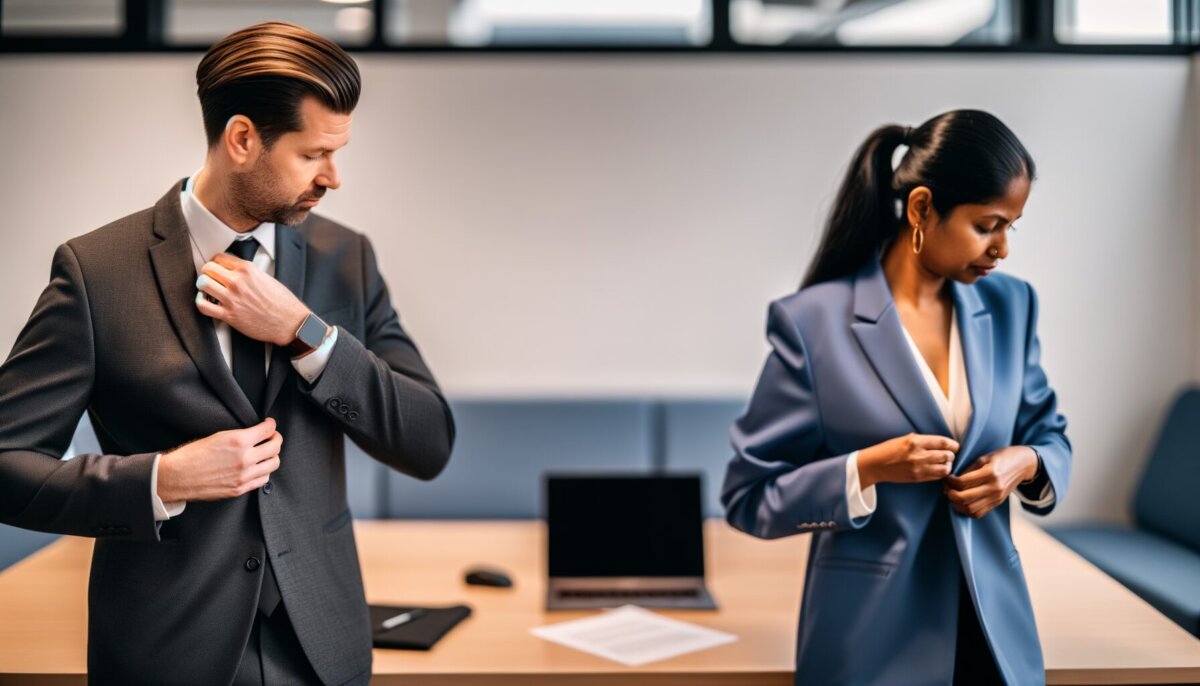
Before the interview day arrives, thorough preparation of your attire plays a crucial role in building confidence and establishing a professional presence. Begin by selecting your complete outfit well in advance, including shoes and accessories, and conduct a full trial run. Wear everything exactly as you plan on the day of the interview to ensure comfort, proper fit, and appropriate coordination. This practice helps to identify any last-minute adjustments needed, such as ironing, dry cleaning, or repairs.
Developing a contingency plan for unexpected mishaps—like spills, wrinkles, or wardrobe malfunctions—is equally important. Keep a backup shirt or blouse, extra hosiery, or even a stain remover pen on hand. This foresight reduces anxiety by minimizing the risk of being caught off guard.
On the morning of your interview, engage in focused grooming that complements your attire: a neat hairstyle, trimmed nails, and a light touch of makeup or fragrance can boost your professional image. Avoid heavy scents or overly casual grooming habits that might distract from your presentation.
Equally vital is mental preparation; wearing the right outfit enhances your self-assurance and shifts your mindset into a successful, poised state. Remember, appropriate dress is more than just clothing—it is a strategic element of your overall professional presentation, signaling respect for the opportunity and readiness to excel. This seamless integration supports your ability to perform with calm confidence throughout the interview.
Summarizing the Impact and Importance of Interview Attire
Appropriate interview attire, whether for in-person or video settings, plays a pivotal role in creating a strong first impression and demonstrating professionalism. By understanding the specific expectations of the company and interview format, candidates can strategically select outfits that convey confidence, respect, and suitability for the role. Dressing well not only influences how interviewers perceive you but also enhances your own confidence and performance. Investing effort into your interview wardrobe is a valuable step towards achieving success and making your mark in any job opportunity.
About the author