Surviving a Panel Interview Tips for Success
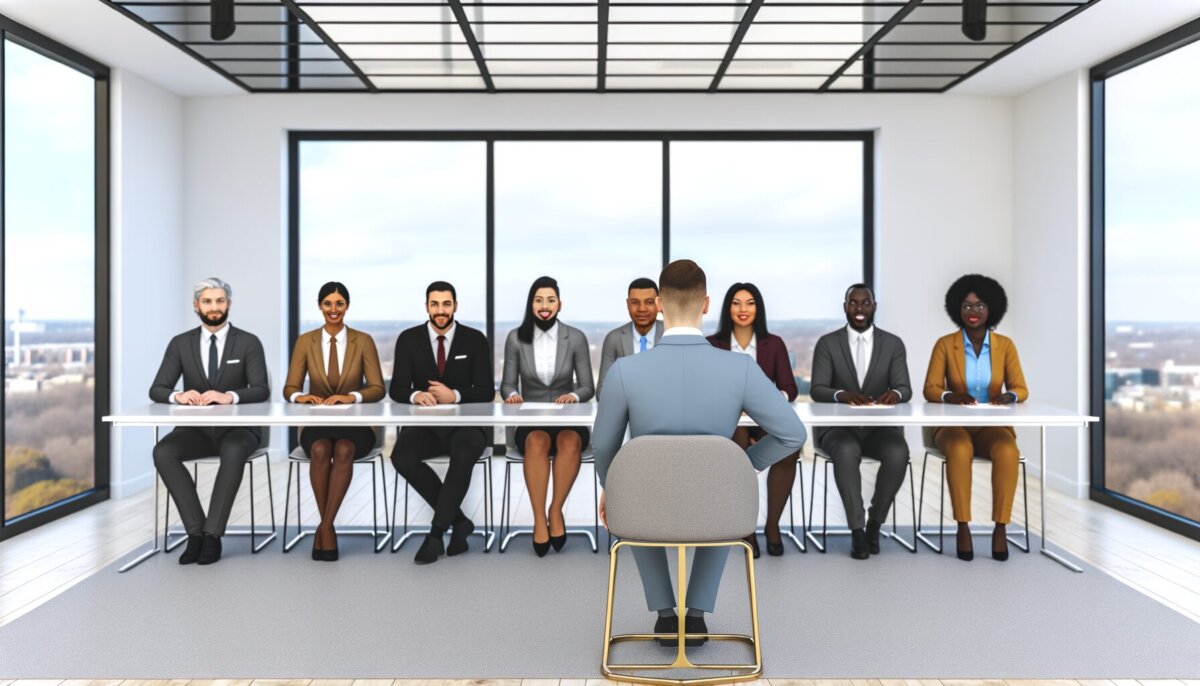
Panel interviews represent a unique challenge in the job hunting process. Unlike one-on-one interviews, panel interviews involve multiple interviewers assessing you simultaneously. This format is often used by organizations to efficiently evaluate how candidates handle pressure, interact with diverse personalities, and communicate effectively with groups. The panel typically comprises representatives from different departments or hierarchies, each bringing their own perspective and questions related to the job. Successfully navigating a panel interview requires a distinct set of skills and preparation strategies compared to traditional interviews.
Understanding the dynamics of panel interviews is crucial for any job seeker aiming to make a strong impression and improve their chances of success. The process tests not only a candidate’s knowledge and skills but also their interpersonal abilities and adaptability. This article explores in-depth the strategies and tips to prepare for and excel during a panel interview. We’ll begin with understanding what panel interviews are and why organizations prefer them, followed by the essential preparations you need to undertake. We will then delve into how to manage the actual interview situation, address tricky questions, and finally, post-interview follow-up tips. Each section is designed to provide exhaustive advice to ensure you approach your panel interview with confidence and poise.
By carefully analyzing and implementing the insights shared, you will be equipped to handle multiple interviewers effectively, present yourself as a coherent and compelling candidate, and ultimately, increase your likelihood of receiving a job offer. Whether you are facing your first panel interview or looking to refine your approach, this comprehensive guide offers valuable knowledge to help you survive and thrive in the panel interview setting.
Understanding Panel Interviews and Their Purpose
Panel interviews are a structured format where multiple interviewers evaluate a single candidate simultaneously. Organizations often employ this approach to gain a comprehensive assessment of the applicant’s suitability from several perspectives at once. Typically, a panel consists of representatives from various departments or roles relevant to the position—such as a hiring manager, a potential supervisor, a human resources representative, and sometimes a future team member. Each panelist brings unique insights that collectively form a well-rounded judgment.
From an employer’s standpoint, panel interviews offer significant advantages. They save time and resources by consolidating several interviews into one session, speeding up the hiring process. Moreover, having diverse viewpoints helps prevent bias and ensures that candidates meet different criteria, from technical skills to cultural fit. This varied feedback mechanism enhances the quality of hiring decisions.
For candidates, however, panel interviews can present challenges. The dynamic is more intense than traditional one-on-one interviews, requiring the ability to engage multiple people simultaneously. Candidates must manage nervousness while directing answers appropriately and maintaining eye contact across the panel. Key differences include navigating different personalities and expectations, as well as adjusting communication style to address a group rather than an individual.
Panel questions often span technical, behavioral, and situational topics. Evaluation criteria typically cover competence, teamwork, problem-solving, and adaptability. Understanding these elements prepares candidates to tailor their responses effectively during the interview. For further insight into structuring responses to behavioral questions, exploring strategies such as the STAR method can be especially helpful.
Preparing Effectively for a Panel Interview
Effective preparation for a panel interview begins with thorough research. Dive deep into the company’s mission, values, recent news, and its industry position. Equally important is researching each panel member, when possible. LinkedIn profiles or company bios can offer insights into their roles, backgrounds, and interests, enabling you to tailor responses and build subtle connections during the interview.
Understanding the job description is critical. Break down the requirements and identify which of your experiences best align with the skills and responsibilities highlighted. This helps you create targeted answers that demonstrate clear value to the panel. Practice responding to common interview questions and behavioral prompts by using the STAR method (Situation, Task, Action, Result) to convey concise, impactful stories. Time your answers to maintain clarity without rambling, ensuring you respect the panel’s limited time.
Prepare thoughtful questions for the panel that reflect your research and genuine interest. This shows engagement and helps you gain insight into team dynamics and company culture. On logistics, choose professional attire that fits the company’s environment—leaning slightly more formal if uncertain. Plan to arrive at least 10-15 minutes early to avoid unnecessary stress and demonstrate punctuality.
Mental readiness is just as important as practical preparation. Manage nerves by practicing mindfulness or breathing exercises to center your focus. Rehearse body language cues such as open posture and balanced eye contact, shifting attention naturally among panelists to acknowledge each member. Confidence grows with preparation, helping you present your best self effectively in a multi-interviewer setting.
Mastering Communication During the Panel Interview
Mastering communication in a panel interview requires deliberate focus and nuanced skills to engage multiple interviewers effectively. Begin by maintaining eye contact with each panelist as they speak or ask questions. This shows attentiveness and respect, making each person feel acknowledged. When responding, address your answer to the individual who posed the question, but include the whole group by occasionally shifting your gaze. This balance ensures no one feels overlooked.
Active listening is critical. Before answering, pause briefly to process the question fully. This short moment enables you to frame a clear, concise response rather than rushing and risking ambiguity. Structure answers logically, starting with a brief summary, delving into specifics, and concluding with a relevant outcome. Such organization aids comprehension and retention.
Panel interviews can sometimes involve interruptions or overlapping dialogue. Handle these politely by allowing the current speaker to finish and using gestures like a subtle hand raise to regain the floor. Navigating group dynamics gracefully portrays maturity and teamwork skills vital for any role.
Body language projects confidence: sit upright with open gestures, avoid fidgeting, and mirror the panel’s energy subtly. Use voice modulation—vary tone and pace to emphasize key points, keeping your delivery engaging.
To remain calm under pressure, practice deep breathing techniques before and during the interview. Slow inhales and exhales help regulate nerves. When faced with difficult or unexpected questions, respond with composure. It’s acceptable to ask for a moment to think or to request clarification—they demonstrate thoughtfulness and professionalism rather than weakness.
Employ these communication strategies to leave a memorable impression and navigate the complexities of panel interviews successfully.
Handling Difficult Questions and Panel Dynamics
Panel interviews often present challenging dynamics, including contradictory questions, rapid-fire inquiry from multiple interviewers, and overlapping discussions. When faced with such complexity, it’s crucial to remain composed and employ clear strategies to navigate these situations effectively.
One effective approach for answering behavioral and competency-based questions is the STAR technique—detailing the Situation, Task, Action, and Result. This structure allows you to provide focused, concise responses that illustrate critical thinking and problem-solving skills under pressure. It also helps keep your answers organized even when questions come quickly or from different panelists.
If a question is unclear or confusing due to multiple interviewers speaking simultaneously or conflicting viewpoints, don’t hesitate to ask for clarification politely. Phrases like “Could you please elaborate on that?” or “To ensure I understand correctly, are you asking about…” demonstrate professionalism and a commitment to delivering precise answers while buying time to gather your thoughts.
When interviewers disagree or interrupt, maintain a respectful demeanor by listening attentively and allowing each person to finish before responding. Acknowledge differing opinions diplomatically, showing openness to diverse perspectives without taking sides. This behavior highlights your ability to handle group dynamics and conflict with grace.
Turning difficult questions into opportunities is key. For example, if asked about a past failure, frame your answer to emphasize the problem-solving steps you took and lessons learned. If confronted with rapid-fire questions, use brief, structured replies and invite further discussion on any topic you want to expand.
Through thoughtful responses and composed interaction, you can demonstrate competence and interpersonal skills, converting challenging panel dynamics into a platform for success. For mastering the STAR method in behavior-based interviews, explore this comprehensive guide.
Follow-Up Strategies After the Panel Interview
Following up after a panel interview is more than just a polite gesture—it’s a strategic move that reinforces your professionalism and genuine interest in the role. Sending personalized thank-you emails to each panel member shows attention to detail and respect for their time. When crafting these messages, reference specific topics or questions that came up during the interview to demonstrate your engagement and recall. For example, if a panelist asked about your approach to teamwork, briefly reiterate your experience or insights shared.
Timing is critical; aim to send your follow-ups within 24 to 48 hours of the interview. This keeps you fresh in the interviewers’ minds while showing promptness. In your email, express continued enthusiasm for the position and confidence in how your skills align with the team’s goals.
After the follow-up, use the waiting period productively by reflecting on the interview. Identify strengths such as clear communication or well-handled questions, and pinpoint areas that could be improved, like providing more concise answers. This self-assessment prepares you for subsequent rounds or different interview scenarios.
Patience is key during the waiting period; avoid excessive follow-ups but remain proactive by preparing for potential next steps like additional interviews or skills assessments. Meanwhile, keep networking and applying lessons from this panel interview experience to enhance future performance. For valuable advice on maintaining your job search momentum, explore networking strategies designed even for the most introverted candidates.
Conclusions
Successfully navigating a panel interview requires thorough preparation, strategic communication, and adaptability. By understanding the format, researching your interviewers, practicing effective body language, and responding thoughtfully to diverse questions, you position yourself as a strong candidate. Remember, a panel interview is not just about answering questions but also about demonstrating your ability to engage with a team and handle challenging situations. With the right mindset and preparation, you can turn the panel interview into an opportunity to showcase your skills and secure the position you desire.
About the author